Home › Concrete Slab Installation
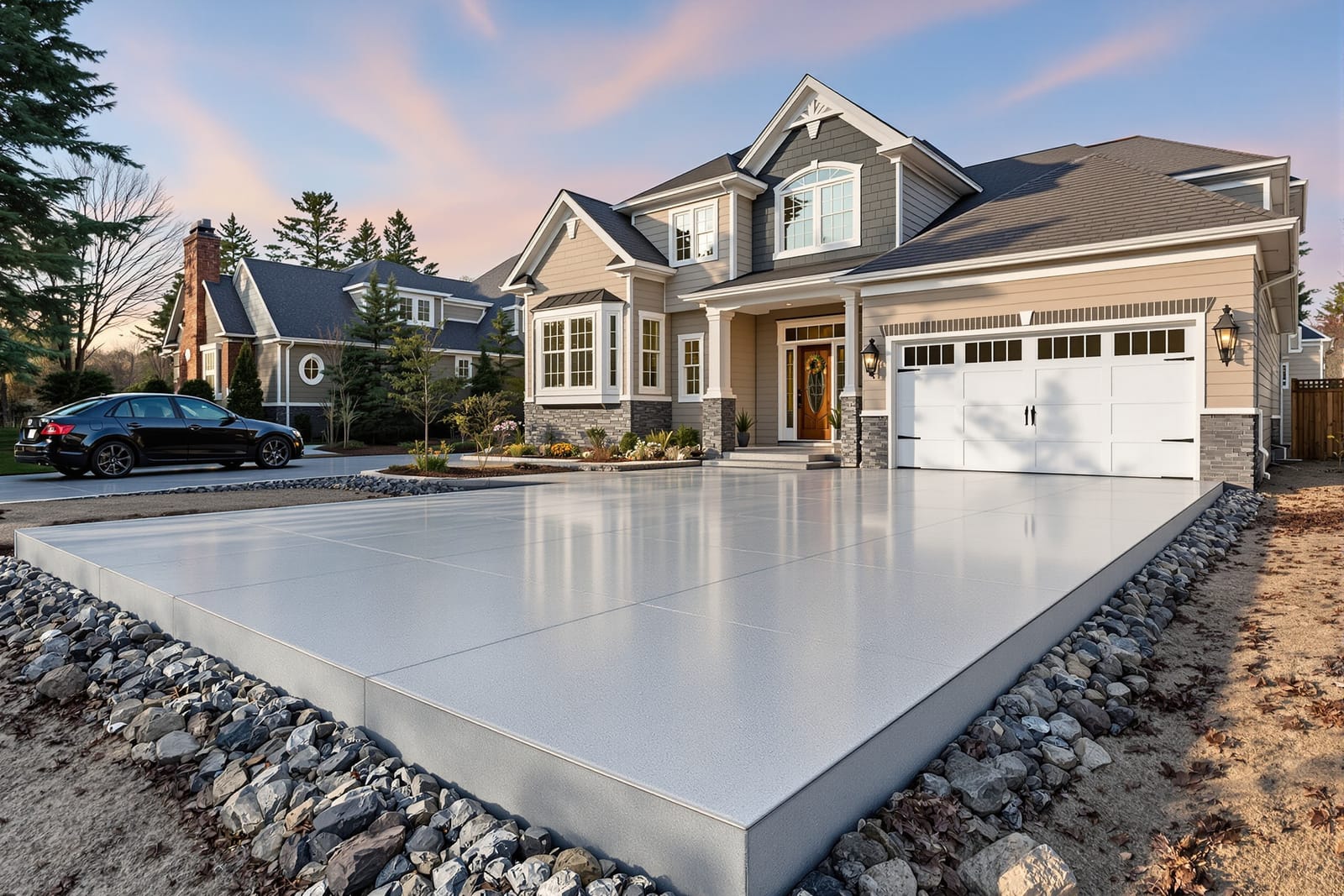
Get a solid foundation for your project with a quality concrete slab in Phoenix, AZ. We pour house slabs, shed slabs, patio slabs, and garage slabs with correct thickness and reinforcement. Our team handles site prep, grading, vapor barriers, and finishing so your concrete floor slab is ready for use.
Superior Concrete Phoenix provides professional concrete slab throughout Phoenix, AZ, Arizona and the surrounding area. Our licensed, insured crew delivers safe, clean, on-time work with a free estimate before anything begins. Call (928) 756-4158 or request your free quote.
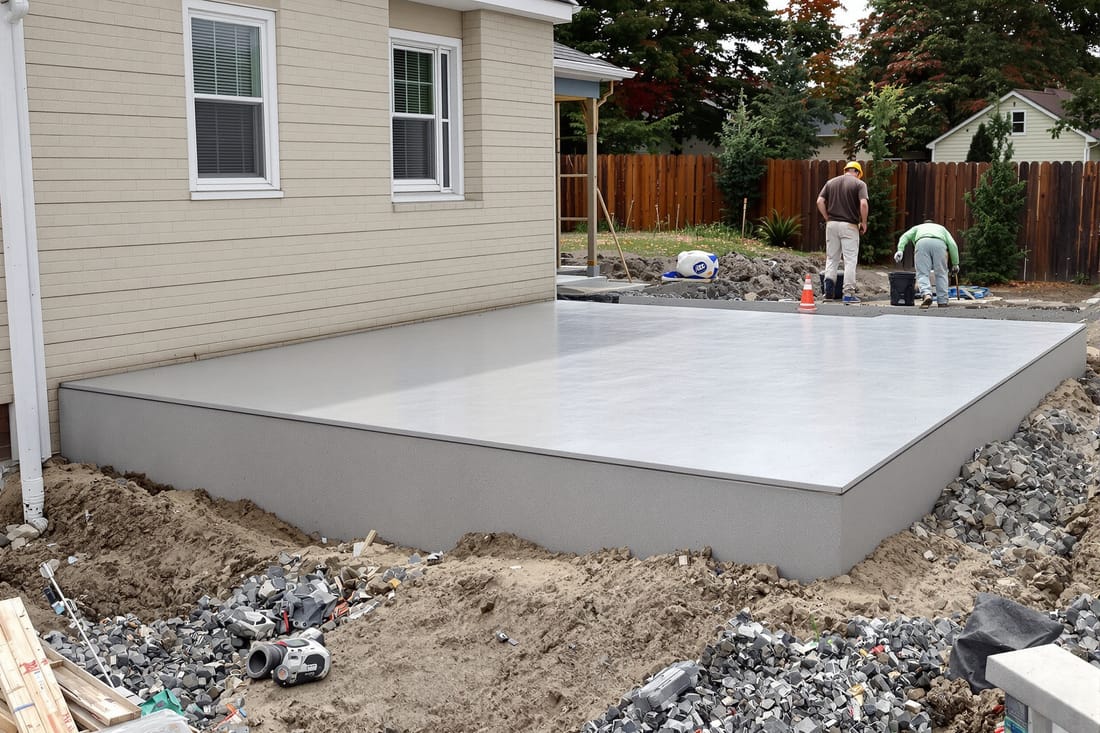
Concrete slab installation in Phoenix that is built for desert life
A concrete slab in Phoenix has to handle intense sun, big temperature swings, dry soil and the occasional heavy monsoon downpour. At Superior Concrete Phoenix, we design each slab around these local conditions so it stays flat, strong and usable for decades.
Whether you need a slab for a new garage, room addition, RV pad, backyard patio, storage shed or light commercial space, we start by asking how you plan to use the area. A slab that will support vehicle loads is designed very differently from one under a pergola or hot tub. We match slab thickness, reinforcement and finish to the actual use so you are not overpaying for strength you do not need, or underbuilding something that will crack.
Our team works all over the Phoenix metro, so we know the typical soil conditions in different neighborhoods and how they affect slab performance. Caliche layers, poorly compacted fill from past construction and slight grading issues behind homes are all things we see regularly and address before concrete is ever placed.
Our step by step process for durable slabs
Every concrete slab installation by Superior Concrete Phoenix follows a clear process that we explain before work starts so you know what to expect on your property.
1. Site visit and layout: We measure the area, check access for equipment, look at drainage patterns and locate utilities. We discuss finished height relative to existing patios, doors or driveways so there are no tripping edges and water flows away from your house.
2. Excavation and grading: We remove vegetation and topsoil, cut or fill to reach the planned slab elevation, then establish the slope needed for drainage. In Phoenix, we typically pitch outdoor slabs slightly so rain and hose water run off rather than pond and stain the surface.
3. Sub-base preparation: We place and compact a layer of aggregate base or road base. Proper compaction is critical in our dry climate because loose desert soils can settle when they finally get wet, which leads to slab cracking or unevenness.
4. Forms and reinforcement: We install wood or metal forms that define slab shape and thickness. Then we add reinforcement appropriate to the project, such as rebar grid, welded wire mesh or fiber reinforced concrete. For heavier loads like RVs or large sheds, we often thicken the slab edges and add more steel at high stress points.
5. Concrete placement and finishing: We order the right mix design from local batch plants based on thickness, exposure and use. The concrete is placed, leveled with screeds, then finished to the texture you have chosen. We cut control joints at the right spacing and depth to help control where shrinkage cracks form.
6. Curing and clean up: In hot Phoenix weather, curing is crucial. We use methods such as curing compound, light misting, or coverings to slow moisture loss so the slab gains proper strength. We remove forms, backfill edges if needed and leave the area clean and ready for use after the recommended cure period.
Concrete slab options for your home or business
Different projects call for different slab designs, and we walk you through the options so you get the right mix of performance, appearance and budget.
Thickness and strength: Common residential slabs in Phoenix range from 4 to 6 inches thick, using mixes from 3000 to 4000 psi. For driveways or RV pads we might recommend thicker edges or a full 6 inch slab with added reinforcement. For interior additions that tie into existing foundations, we coordinate thickness and doweling so the new slab works with the old.
Reinforcement choices: Rebar grids are typical for structural or vehicle load slabs. Welded wire mesh is often used for patios and walkways. Fiber additives can help reduce surface shrinking and improve durability. We explain what each option does, and why one may suit your project better than another.
Surface finishes: For outdoor living spaces, you might choose a broom finish for traction, a smooth steel trowel where you plan to add flooring later, or a decorative finish such as colored concrete, light stain or saw cut patterns. If the slab will eventually receive tile, pavers or epoxy, we can provide the surface profile those finishes require.
Add ons and integration: We can integrate thickened pads where you plan to set a spa, outdoor kitchen or heavy equipment, embed anchor bolts, or install conduits and sleeves for utilities before the pour. Planning these details up front avoids costly cutting and patching later.
What affects the cost of a concrete slab in Phoenix
Superior Concrete Phoenix prepares clear estimates that explain each component that affects the cost of your concrete slab installation. Understanding these factors helps you compare bids fairly.
Site conditions: Access for trucks and equipment, the need to remove existing concrete, trees or old patios, and how much grading is required can change labor and equipment time. If we have to wheel concrete a long distance, use a pump, or haul away large volumes of spoils, we explain those line items.
Sub-base and thickness: Thicker slabs and upgraded base material cost more, but are often the right call for vehicle or heavy use areas. In parts of Phoenix with expansive or poorly compacted fill soils, we may recommend a stronger base or geo fabric to prevent movement.
Reinforcement and joints: More steel, closer spacing and additional control or expansion joints add cost but improve performance. On large slabs, we sometimes add doweled joints to reduce vertical movement if the slab ever cracks.
Concrete mix and finishes: Higher strength mixes, color, stamped patterns or special troweled finishes affect cost. For most residential uses, we recommend a practical mix that balances performance with budget instead of the most expensive option.
Timing and seasonal scheduling: In summer, we may need to pour earlier in the day, add set control admixtures or use more intensive curing practices. These measures protect your slab from thermal cracking and surface defects, and they can influence labor and material costs slightly. We walk you through these choices before you approve anything.
How Phoenix climate and soil impact your slab
Building in the Sonoran Desert means planning for extreme heat, UV exposure and sudden heavy rain. Superior Concrete Phoenix designs slabs specifically for our local environment so you do not end up with a surface that looks good for a year then starts to fail.
Heat and rapid drying: High temperatures and low humidity can cause concrete to lose moisture too quickly, which weakens the surface and leads to more cracking. To counter this, we time our pours carefully, use mixes tailored for warm weather when needed, protect fresh slabs from direct sun and wind and prioritize proper curing.
Monsoon storms and drainage: A flat backyard that seems dry most of the year can turn into a shallow pond during a monsoon storm. When we plan your slab, we look at where water currently flows and where it will flow after the pour. We often add slight slopes, drains or small grade changes on the surrounding ground so water has a safe path away from your foundation.
Desert soils and settlement: Some Phoenix lots have very firm native soil, others have imported fill that was never compacted correctly. We test how the ground reacts when compacted and, if needed, add a more substantial base layer, moisture treatment or compaction efforts to reduce the risk of future settlement under your slab.
UV and surface wear: Constant sun exposure can fade colored concrete and accelerate surface wear in high traffic areas. We may recommend a sealer for decorative slabs, suggest a finish that hides minor wear, or design joint layouts that make future repairs or upgrades easier.
What to expect when you hire Superior Concrete Phoenix
From the first call to the final walkthrough, we aim to make your concrete slab project organized, predictable and low stress.
Consultation and estimate: We meet with you on site, listen to how you plan to use the slab, measure carefully and discuss options. You receive a written estimate that outlines scope, materials, reinforcement, finishes and schedule so you know exactly what is included.
Scheduling and preparation: Once you approve the proposal, we schedule the work around your availability and local weather. We let you know what to move or protect before we arrive, such as patio furniture, vehicles or landscaping near the work area.
Construction and communication: Our crew shows up on time, confirms layout with you, then begins preparation. We keep you informed at each stage, especially before the pour and when we cut joints. If we discover an issue such as unexpected buried debris or soft soil, we show you the problem and explain options before proceeding.
Aftercare guidance: When the slab is finished, we review cure times and when you can walk, place furniture, park vehicles or install flooring. We explain simple maintenance, like avoiding harsh deicers and heavy impacts in the first few weeks, to protect the surface. If you ever have questions afterward or notice something you are unsure about, you can call Superior Concrete Phoenix and talk to someone who was actually on your job.
Our goal is not just a flat piece of concrete, but a slab that fits your life, holds up to Phoenix conditions and gives you confidence that the work beneath your feet was done correctly.