Home › Concrete Foundations and Footings
Protect your investment with strong concrete foundations in Phoenix, AZ. We install code compliant concrete footings, stem walls, and foundation slabs for additions, new homes, and garages. Our team works with your plans to ensure correct depth, width, reinforcement, and anchor placement for long term performance.
Superior Concrete Phoenix provides professional concrete foundations throughout Phoenix, AZ, Arizona and the surrounding area. Our licensed, insured crew delivers safe, clean, on-time work with a free estimate before anything begins. Call (928) 756-4158 or request your free quote.
Concrete foundations built for Phoenix soil and heat
Phoenix foundations are not all the same. Hot, dry weather, clay pockets, and caliche layers all affect how long a concrete foundation will last. At Superior Concrete Phoenix, we start every concrete foundations job by looking at the soil and the load of the structure, not just by pouring a slab and hoping for the best.
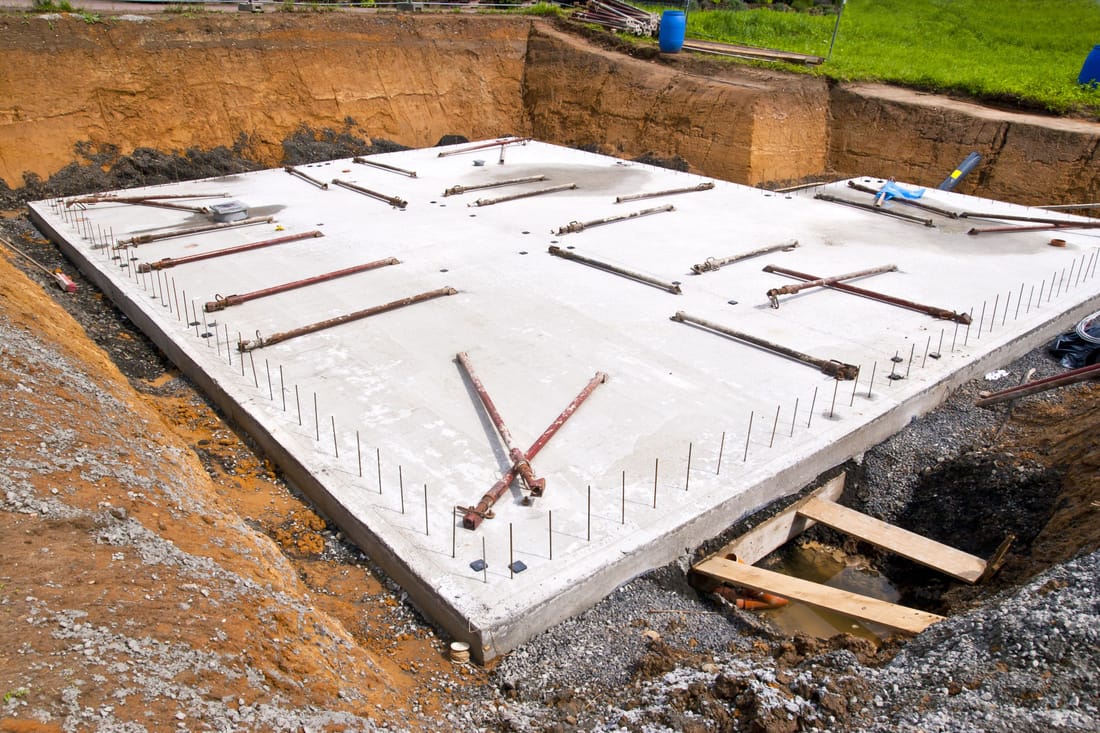
For most Phoenix homes, garages, and shops, we install either a monolithic slab (slab and footing poured together) or a stem wall foundation (footings with short perimeter walls and a slab inside). For heavier structures and commercial work, we may recommend deeper continuous footings, isolated pier footings, or a combination of grade beams and piers where soil conditions change across the lot.
A typical project starts with layout and elevation checks using a laser level so water drains away from the foundation and not toward it. We stake the perimeter carefully to match your plans and city requirements. Then we excavate for footings to the specified width and depth, adjusting as needed if we hit hard caliche or soft pockets. In Phoenix, footing depth is usually driven more by structural and code requirements than by frost, so we focus on bearing capacity and uniform support.
Before we place concrete, we compact the subgrade in layers with a plate compactor or jumping jack. We add and level ABC (aggregate base course) where needed to provide a stable, uniform base. This step is what prevents many cracks, settlement issues, and slab heaving later on, and it is where cheaper contractors often cut corners.
Footings, rebar, and moisture control that fit Phoenix conditions
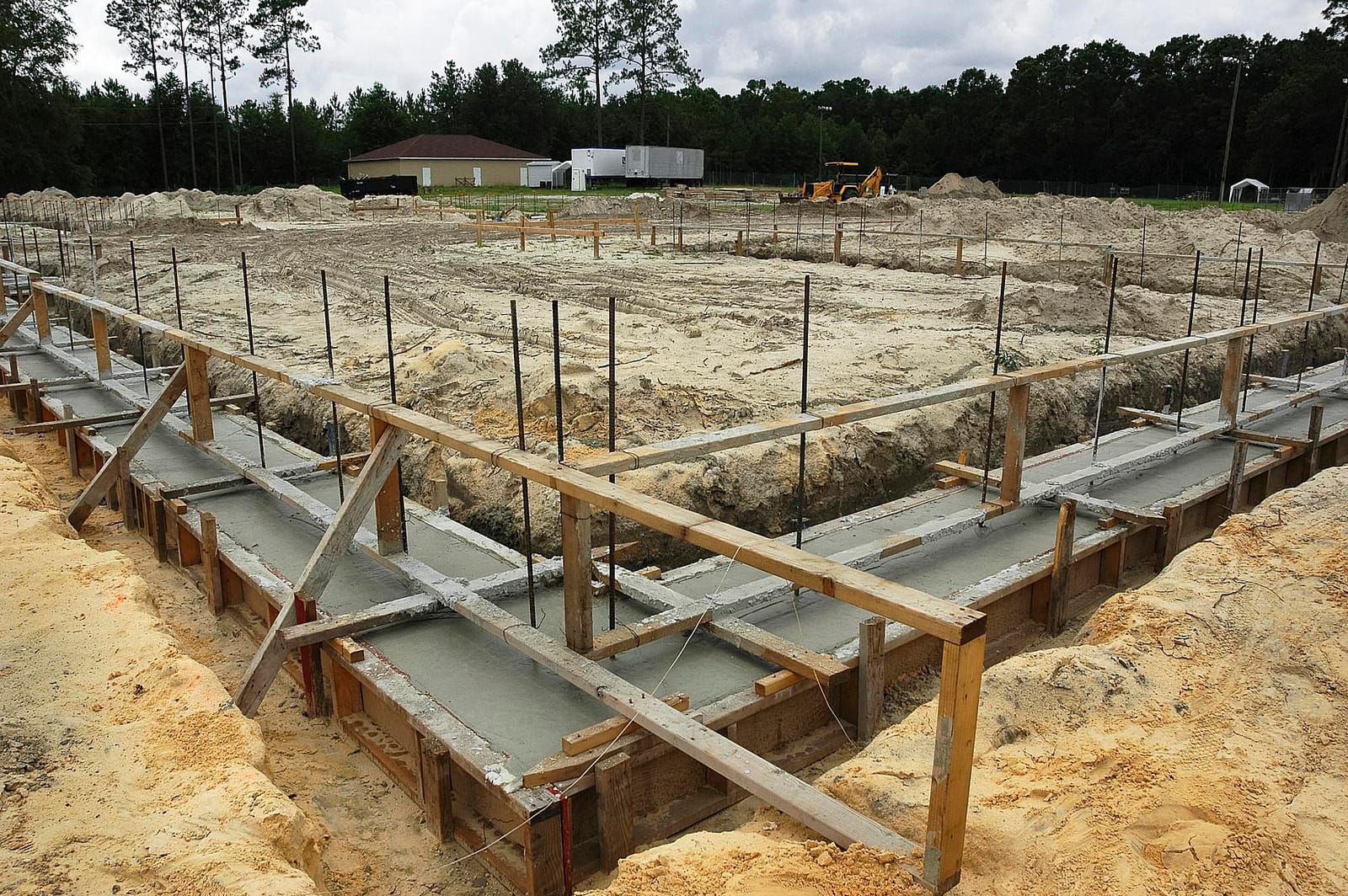
Concrete foundations and footings are only as strong as the steel and base beneath them. Our crews at Superior Concrete Phoenix install rebar according to engineered plans, tying bars at proper spacing and clearances so they stay in place when concrete is poured.
For perimeter and interior footings, we typically use continuous rebar cages, with vertical dowels that will connect to stem walls or slab reinforcement. In areas with known soil movement, we often upsize bar diameters or tighten the spacing at critical points like corners and load-bearing walls. If you already have engineering, we follow it exactly. If you do not, we can coordinate with a local engineer who understands Phoenix soil conditions.
Moisture control is also vital in our climate, even though we are dry most of the year. Monsoon storms can soak dry soil quickly, which leads to swelling around foundations. We usually install a moisture barrier (vapor barrier) under interior slabs to limit moisture wicking. Around the exterior, we account for future grading, gutters, and drainage so water does not collect along the footing line.
For many projects we recommend adding rigid foam or thermal breaks along stem walls where the building will be cooled heavily inside. This cuts down on heat transfer from hot exterior soil through the foundation. It is a small investment compared to the total build, but it pays off in comfort and utility bills over time.
How the pour, finish, and curing affect long term performance
A good mix design and proper placement are what separate a durable concrete foundation from one that looks fine at first and then shows problems a few years later. For most concrete foundations we place in Phoenix, Superior Concrete Phoenix uses a concrete strength of 3000 to 4000 psi, with low water content and the right admixtures for hot weather.
On summer pours, we typically schedule early morning placements. We may add set retarders to slow the cure slightly, use chilled water in the mix, and keep the subgrade lightly damp so it does not suck water out of the fresh concrete. These steps reduce thermal cracking and surface checking that are common in Phoenix heat.
We use vibrators in footings and along stem walls to remove air pockets, especially around rebar and at corners. For slabs, we strike off the surface, bull float to bring up a paste for finishing, and then wait for the right moment to trowel. Overworking the surface, or troweling too early, can trap water and weaken the wear layer. We avoid that by watching the bleed water carefully rather than rushing to finish.
Curing is not just spraying some water once. For larger foundations, we often use curing compounds, light water misting, and plastic sheeting or blankets in key areas to keep moisture in during the first few days. Proper curing builds strength and limits shrinkage cracks, which is especially important where interior slabs will receive tile, epoxy, or polished concrete finishes later.
Common foundation issues in Phoenix and how we prevent them
Most of the calls we take in Phoenix about foundations fall into a few patterns: cracks that run through slabs, doors and windows sticking, garage floors settling at the front, or stem walls spalling near the soil line. Many of these issues start with poor base preparation, thin or missing footings, or weak concrete at the time of the original build.
When we build new concrete foundations and footings, we design and install specifically to avoid those problems. For example, in garage foundations we pay particular attention to the front footing and driveway transition, where vehicles constantly load the edge. We often thicken the slab there and add extra steel. On additions that tie into older homes, we check the condition and elevation of the existing foundation so we can step or bridge the new work correctly and avoid differential movement.
For stem wall spalling, which is common where soil and irrigation keep the concrete wet, we often suggest either a slightly raised grade beam, better drainage, or protective coatings in exposed areas. If existing work nearby has visible rebar rusting through, we know to increase cover and specify higher quality concrete in those zones.
If your lot has slopes, old fill dirt, or signs of previous settlement, we will discuss options like deeper footings, piers, or over-excavation and recompaction. These steps are more up front, but they are far cheaper than structural repairs or underpinning later. We are upfront about what is necessary and what is optional, so you can balance long term security with your budget.
Costs, permitting, and what to expect when you hire us
Foundation work is a big part of any build budget, and we do not hide how pricing works. Cost for concrete foundations in Phoenix is mainly driven by the size of the footprint, footing depth and width, thickness of the slab, rebar quantity, and site conditions like access and soil quality. Features such as thickened edges, interior grade beams, piers, additional moisture barriers, and higher strength concrete all add to the total, but we explain each line item so you know exactly what you are paying for.
For work inside Phoenix city limits or nearby jurisdictions, permits and inspections are usually required. Superior Concrete Phoenix can handle the concrete part of that process and coordinate with your general contractor, or for smaller standalone projects like detached garages or shops we can help you understand what submittals the city will want. We are experienced with local inspectors and the details they look for, such as anchor bolt positioning, rebar laps, and proper clearances.
Before we start, we walk the site with you to confirm elevations, access points for trucks, and where we will store materials and forms. During the job you can expect some noise from saw cutting, compacting, and finishing tools, but we keep the site as organized as possible and remove forms and debris promptly after the concrete has gained strength.
If you are planning a new build, addition, RV garage, or shop in the Phoenix area, getting the foundation right is the one place you do not want shortcuts. Contact Superior Concrete Phoenix for a straight answer on your options, a clear scope of work, and concrete foundations and footings that match the real conditions on your lot, not a generic plan from somewhere with different soil and weather.