Home › Commercial Concrete Foundations and Footings
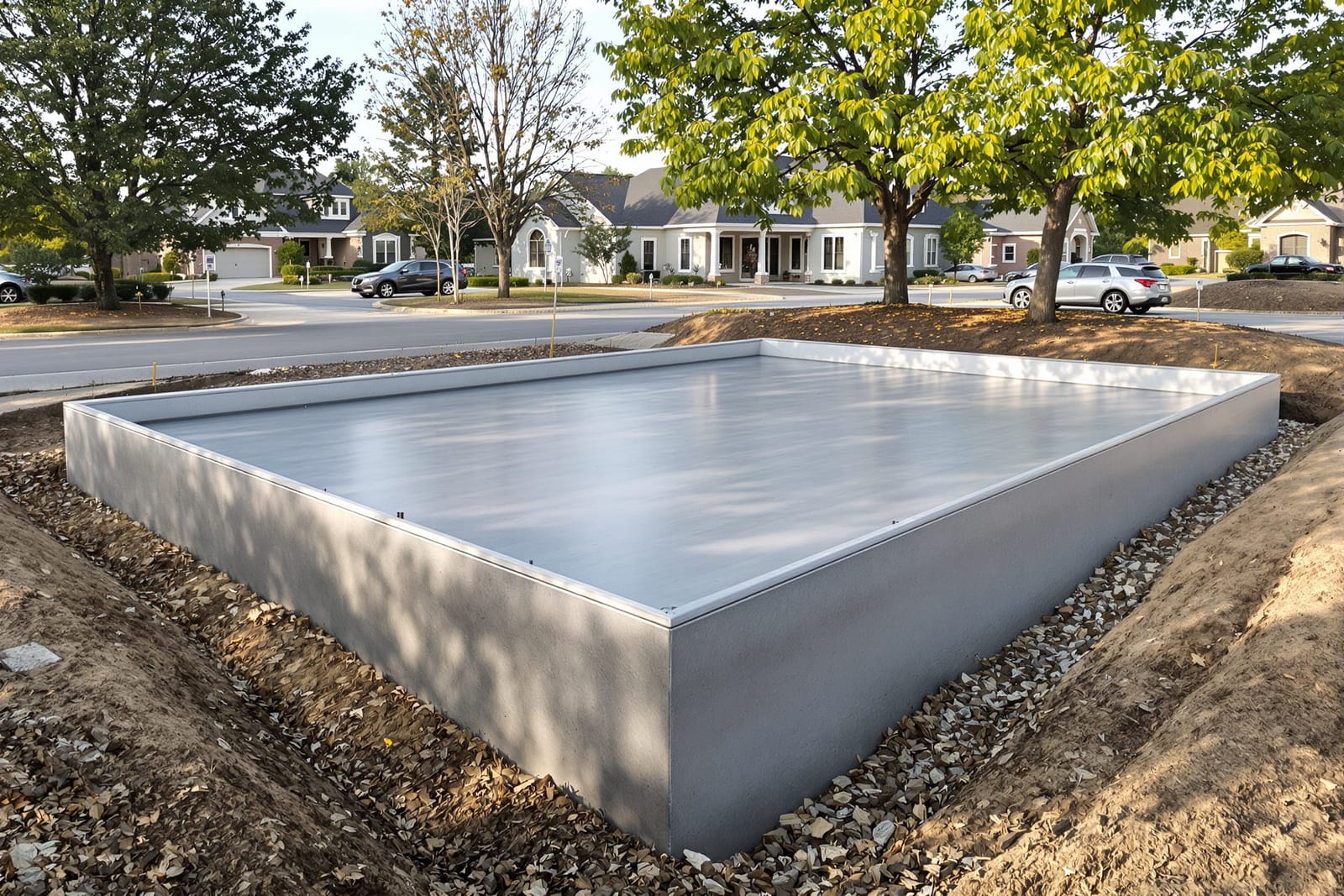
Get reliable commercial concrete foundations in Phoenix, AZ for your building project. We install spread footings, grade beams, piers, and foundation walls per engineered plans. Our crews are experienced with complex reinforcing, anchor layouts, and tight schedules on active job sites.
Superior Concrete Phoenix provides professional commercial concrete foundations throughout Phoenix, AZ, Arizona and the surrounding area. Our licensed, insured crew delivers safe, clean, on-time work with a free estimate before anything begins. Call (928) 756-4158 or request your free quote.
Commercial Concrete Foundations Built for Phoenix Conditions
In Phoenix, commercial concrete foundations have to handle more than just structural loads. They also deal with intense heat, wide temperature swings between day and night, and expansive desert soils. Superior Concrete Phoenix focuses every foundation and footing design on these real local conditions, not on generic national standards that ignore Arizona realities.
We work on office buildings, tilt-up warehouses, retail centers, multi-tenant complexes, and light industrial facilities throughout the Valley. For each project, we coordinate closely with your structural engineer, architect, and local building officials to confirm that the footing sizes, slab thickness, reinforcement, and vapor barriers are appropriate for the actual soil report and use of the building. Our goal is a foundation that passes inspection the first time and performs for decades without settlement issues or slab failures.
Because much of the long-term performance is decided before concrete ever hits the ground, we spend extra time tightening up the plan set, layout, and schedule. That up-front work is how we control cost, minimize change orders, and keep your commercial project on track.
Soil, Engineering, and Layout: How the Work Starts
Every commercial concrete foundation in Phoenix needs a current geotechnical (soils) report. We begin by reviewing your report and structural plans together. If your soils data is old or missing, Superior Concrete Phoenix can help coordinate updated testing so the engineer is not designing foundations on assumptions about bearing capacity or expansive clay content.
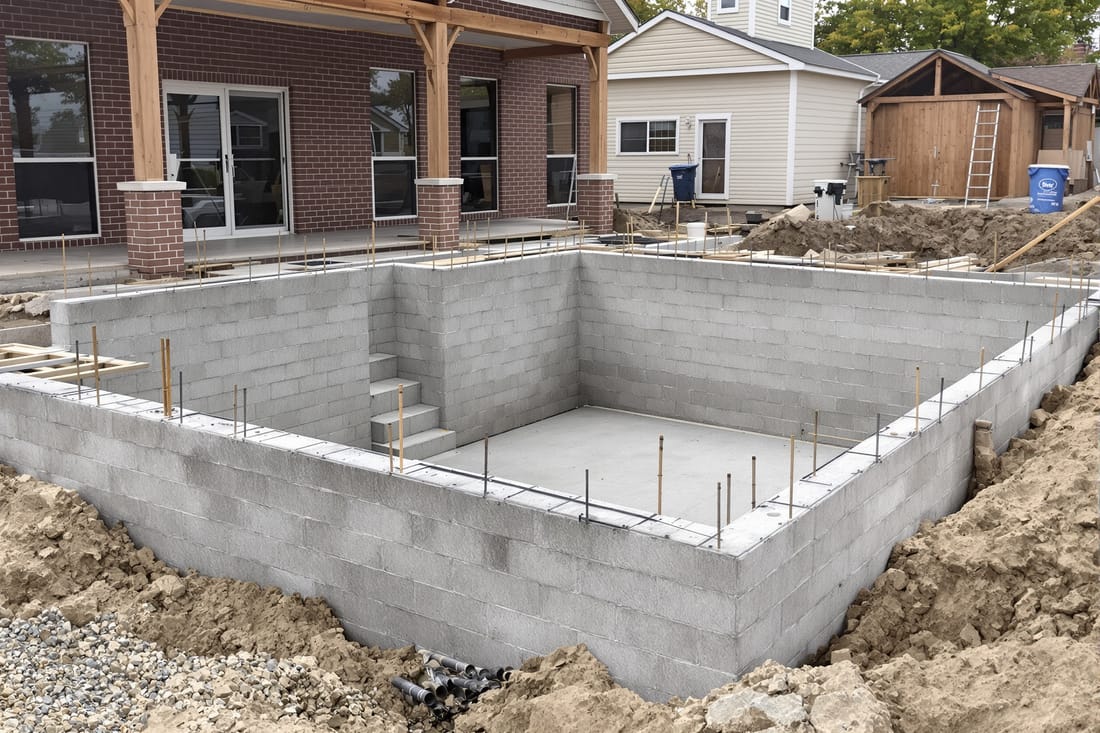
Using the soils report, we confirm foundation types and depths, such as continuous strip footings under load bearing walls, isolated spread footings under columns, combined footings where loads overlap, thickened edge slabs for lighter buildings, and mat or raft foundations for specialized applications. We check frost depth requirements, which are minimal here compared to colder climates, but we still ensure embedment depth is correct for structural and code needs.
Next comes detailed layout. Our crew uses survey control points, laser levels, and string lines to stake out building corners, grid lines, column pads, and thickened slab areas. Accurate layout prevents misaligned anchor bolts, crooked walls, or footing offsets that can delay steel erection or framing. For tight infill sites or phased commercial projects, we often coordinate layout around existing utilities and neighboring structures so you avoid surprises during excavation.
Excavation, Forming, and Reinforcement for Commercial Footings
Once layout is confirmed, we begin excavation using equipment sized for your site. For large pads and warehouse foundations we typically bring in excavators and skid steers. For infill commercial sites with limited access we often use smaller machines and more hand-digging around utilities. Our operators are trained to hit design depths without over-excavation, which helps control your concrete volume and cost.
Formwork is then installed. For strip and spread footings we usually use wood or metal forms, properly braced to maintain width and elevation. In some stable soils we can use trench walls as one side of the form if allowed by your engineer and inspector, which can save time and material. For grade beams and thickened edge slabs we carefully form transitions so loads transfer cleanly between slab and footing.
Rebar installation is a critical step. We follow the engineer's bar sizes, spacing, lap lengths, and hook details precisely. Typical commercial footings use #4 to #8 bars, often in two layers tied on chairs or dobies to maintain clearance from soil and forms. In Phoenix, where soils can be corrosive in pockets, we pay attention to cover requirements to protect reinforcement. Before we pour, a Superior Concrete Phoenix supervisor walks the rebar and formwork with the inspector to address any questions on the spot and avoid rework.
Concrete Placement, Finishing, and Curing in Phoenix Heat
Commercial concrete foundations in Phoenix require special attention to mixes and timing. We typically specify mixes in the 3,000 to 4,000 psi range for foundations, adjusting for the project engineer's requirements and any sulfate resistance needs from the soils report. In summer, we often order concrete with retarder admixtures and sometimes chilled water or ice at the plant to slow the set time so we can place and finish correctly in the heat.
During placement, our crews use vibrators to consolidate concrete around rebar cages, anchor bolts, and into corners of forms. This reduces voids and honeycombing, which are common problems in deep column footings if not properly vibrated. We continuously monitor slump and adjust within the approved range so you do not get overly wet mixes that increase shrinkage and reduce strength.
Finishing depends on the type of foundation. For footings that will be backfilled, we focus on level tops and accurate bolt placement. For slabs-on-grade that serve as finished floors in warehouses or retail spaces, we use laser screeds, ride-on trowels, and straightedges to achieve specified flatness (FF) and levelness (FL) numbers. In the Phoenix climate, curing is crucial. We typically apply curing compound immediately after final finish, and on hot, dry days we may also use wet curing methods or temporary shade to reduce rapid moisture loss and surface cracking.
Cost Drivers and How We Help You Control Budget
The cost of commercial concrete foundations in Phoenix is driven by several specific factors: soil conditions and required footing depth and width, concrete strength, reinforcement amount and size, access and site constraints, schedule and phasing, and finish and tolerance requirements for slabs.
Expansive or weak soils can require deeper or wider foundations, grade beams, or over-excavation and replacement with engineered fill. Superior Concrete Phoenix works with your engineer to explore options such as adjusting column spacing, using different footing shapes, or varying slab thickness in non-critical areas to help balance performance and cost.
Access can impact labor and equipment costs. If your site is downtown or heavily constrained, moving concrete by pump instead of truck chute becomes necessary. We plan logistics early, including pump sizing and truck routing, so you do not pay extra for standby time or inefficient placement. We also review project phasing, for example pouring footings and interior slabs in stages to coordinate with underground plumbing and electrical. The more we can coordinate activities with other trades, the fewer schedule conflicts you have and the less you spend on remobilization.
Change orders are another hidden cost risk. By walking the site in detail before excavation and comparing field conditions to plans, we often catch conflicts with existing utilities or grade discrepancies early. Addressing these before the crew is on the clock helps keep your foundation work within the original budget.
Common Problems in Phoenix Foundations and How We Prevent Them
Local commercial owners and developers often encounter a few recurring problems when foundations are not handled correctly. Settlement cracking is one of the biggest, especially where soils vary across a site. We emphasize strict adherence to the geotechnical recommendations, proper compaction of subgrade, and, when needed, moisture conditioning of fill materials to reduce differential settlement.
Another issue is surface and shrinkage cracking in slabs exposed to Phoenix sun and low humidity. We manage this by adjusting mix designs, planning early morning or evening pours in the hottest months, using proper joint spacing and saw cutting, and applying curing methods that protect the slab during the first critical days.
Misplaced anchor bolts and embeds can delay steel erection and add significant cost. Superior Concrete Phoenix uses templates, double-checks bolt patterns against steel shop drawings, and verifies elevations with lasers before and immediately after the pour. If something is slightly off, we address it right away, while correction is relatively easy, instead of discovering the problem weeks later when the steel arrives.
Finally, poor drainage around foundations can lead to long-term issues, even in a desert climate that sees intense monsoon storms. We coordinate slab elevations, exterior grades, and site drainage plans so water flows away from the building, not toward it, and ensure any required waterproofing or vapor barriers are correctly installed and protected during backfill.
Scheduling, Permits, and Working as a Local Project Partner
Phoenix weather lets us work on commercial concrete foundations nearly year-round, but timing still matters. For large slab pours, spring and fall often provide the best combination of temperature and humidity, reducing curing challenges and finishing stress. In peak summer, we typically schedule major placements at night or very early morning, coordinate with the ready-mix supplier for cooler mixes, and staff additional finishers so we can stay ahead of the rapid set.
Superior Concrete Phoenix is familiar with permitting and inspection processes in Phoenix, surrounding municipalities, and unincorporated Maricopa County. We coordinate required inspections for excavation, rebar, and forms, as well as concrete placement when needed. Our team keeps inspection reports and concrete tickets organized for your project records, which is useful for lenders, buyers, and future renovations.
We understand that on commercial jobs we are one trade among many. That is why we prioritize clear communication with general contractors, owners, and other subcontractors. We share pour schedules, crane and pump arrival times, and any access restrictions well ahead of time so everyone can plan around foundation work. If your project is phased or fast-tracked, we can break the foundations into logical sections that align with steel delivery, framing, and utility work.
When you bring Superior Concrete Phoenix onto your project, you are getting a local partner focused on making your commercial concrete foundations reliable, code compliant, and practical for long-term operations in Arizona's climate.